




Why is it that some people live long healthy lives well into their 90s while others seem to look and feel old in their 40s and 50s?
Part of the answer of course, lies in our genes, our genetic code. We all hear of people with good genes. But that's not the full story. Recent scientific discoveries show the genetic code that fills every cell in our bodies comes with a series of on and off switches that determine how healthy we are, our risk of developing disease, and even our longevity.
So what is it that flips these switches in our cells? It's the things we encounter every day. Our food, our water, and even the air we breathe affect us on an epigenetic level. Chemicals and nutrients are like the volume dial on our DNA, turning up or down how our genetic code is expressed.
Healthy cells make a healthy body
To understand human health is to go to the micro world of each individual cell. Of the trillions of cells in our bodies, each is specialized-a skin cell can't replace a brain cell which can't replace a heart cell. All cells require amino acids from protein, essential fatty acids, glucose, minerals, vitamins, trace elements and antioxidants. Each cell needs its own customized nutritional palette and is subject to its own timing of when it needs that customized nutrition. Supplying and replenishing the cells with the correct ratio of nutrients leads to optimal health.
When a cell stops working or becomes dysfunctional, the root cause is almost always due to chronic deficiencies of essential nutrients or the presence of toxins which interfere with cellular function. Now more than ever, we need to put the right things into our body, and take the wrong things out.
Our cells recognize natural, not synthetic
The nutrients in our food must be broken down into forms that our cells can recognize and then use. In 2003, the Nobel Prize in Chemistry was awarded to Dr. Peter Agre and Roderick MacKinnon. Their breakthroughs identified water and ion channels that allow some substances (and not others) to pass through cells. These aquaporins and ion channels act as the gatekeepers to cells, letting what it recognizes in, and keeping out what it doesn't.
This is one of the many reasons to choose natural whole food supplementation over any synthetic or lab-made vitamins. Synthetics are derived from petrochemicals and involve the use of intensive industrial processes and harsh chemicals such as acetone, ammonia and formaldehyde.
"A synthetic vitamin can stimulate a cell's metabolism, but it cannot upgrade or replace the cell's components with superior, better quality elements," explains the Organic Consumers Association (OCA). "The results? A degraded cell."
You can always tell synthetics on supplement labels if they list the chemical name instead of a food source. Examples include vitamin B1 (thiamine) and vitamin B2 (riboflavin). Click here for a full listing of synthetics in most supplements.
Whole food antioxidants are the antidote to free radical damage
A free radical is a highly reactive atom, molecule or molecular fragment with a free or unpaired electron. Free radicals are produced in many different ways including normal metabolic processes such as breathing and exercise. Left unchecked it damages cells, and that damage has been linked to a long list of diseases. Antioxidants act as electron donors.
Antioxidants inhibit oxidation and can guard our body from the damaging effects of free radicals. Vitamins A, C, E and some of the B vitamins, beta carotene, selenium and some key enzymes in our body are all antioxidants. By intercepting the free radicals, antioxidants prevent them from damaging molecular structures such as the DNA in our cells.
Antioxidants are only recognized by the body if they are natural and whole food sourced. Take vitamin C as an example. In nature, vitamin C has eight molecular components. Natural sources of vitamin C include acerola, citrus fruits and berries. In most supplements, you only see one (ascorbic acid). You need all eight to get the full benefit of vitamin C. Using ascorbic acid is akin to asking a chef to make an omelet using only egg shells.
"Nature always packages vitamins in groups. The vitamins work together for better absorption. For this reason, the body responds to an isolated vitamin in the same way it responds to a toxin." -Organic Consumers Association (OCA).
Better nutrition means more energy, better health
Our cells are complex and finely tuned to process nutrition from nature. The food we provide our cells serves as the all-important fuel needed to create energy, repair and regenerate the body from within. Yet as few as 25% percent of us get the recommended 5 to 9 servings of fruits and vegetables per day, and even then, those foods may have been coated in pesticides, picked early, and traveled thousands of miles before making it to your plate.
For supplementation, look for organic practices and most importantly, whole food sources. Whole foods deliver the complete nutrition your cells can readily use. On a cellular level, make food your medicine.
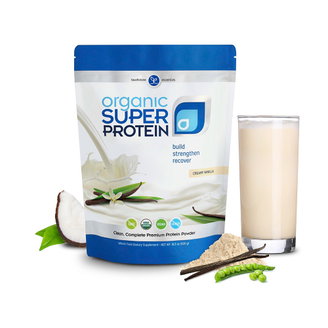
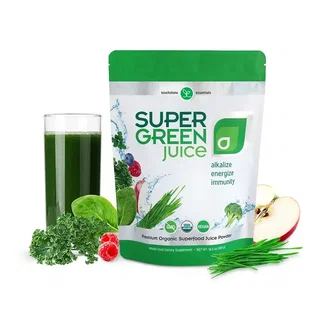
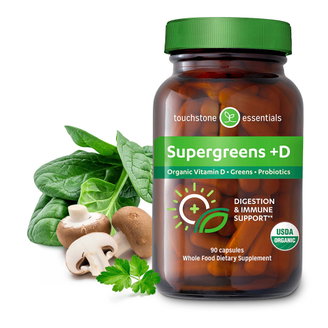
Shop this Article
Recent Articles

11 Vitamins & Minerals Women Need

Hibiscus Mojito Detox Mocktail

7 Simple Ways to Enhance Your Detox

3 Big Ways Telomeres Impact Mitochondria
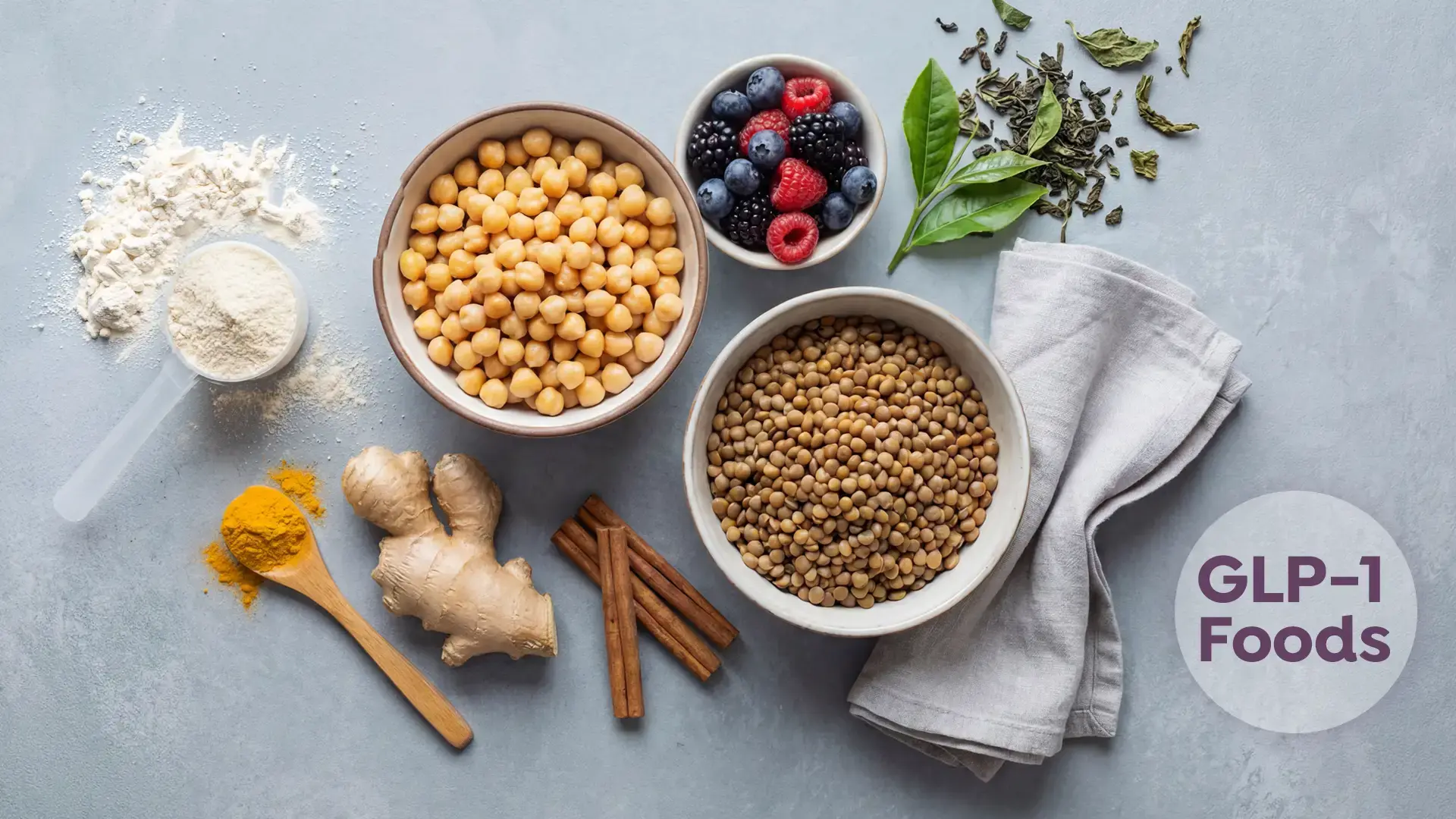
9 Foods to Stimulate GLP-1 Naturally
Use HSA/FSA for Your Favorite Detox Supplements
5 Dangers of Supplement Dupes

A Letter of Thanks From Our Founder

The Ultimate 2025 Holiday Gift Guide

9 Biohacking Tips for Longevity
Recent Articles
11 Vitamins & Minerals Women Need
Hibiscus Mojito Detox Mocktail
7 Simple Ways to Enhance Your Detox
3 Big Ways Telomeres Impact Mitochondria
9 Foods to Stimulate GLP-1 Naturally
Use HSA/FSA for Your Favorite Detox Supplements
A Letter of Thanks From Our Founder
The Ultimate 2025 Holiday Gift Guide
9 Biohacking Tips for Longevity